














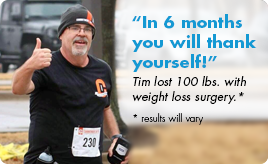



Tatum had gastric sleeve surgery with Dr. Nicholson in July 2021. Since surgery, she has lost more than 75 pounds! This is her story.

Life Before Surgery
“Life before surgery was really hard mentally and physically. I was known as the fat funny friend at least that’s how I felt inside. I really hid behind clothes; I would feel like I looked like a “curtain” in some instances in large group settings etc. Although I know I am pretty it took a while for me to gain my confidence back. I decided to have surgery because I was having liver issues-leading to fatty liver disease due to my poor diet. Had I not made the decision to do so or lost the large amount of weight on my own I’m not sure where I would be exactly.”
The Nicholson Clinic Experience
“The Nicholson Clinic staff was great, and it was a very interesting process. It can be a little harder than it looks to complete the pre-op and post-op diets but I think if you change your mindset it really can work the way you need it to. Dr. Nick was great! I really dreaded afterwards though (he warned me of this prior) and the gas pains were the worst part for me.”

Life After Surgery
“Life now is much different. I am noticed more and I feel better mentally and physically. I believe I have lost close to 80 pounds. I have since been back to my liver doctor and the MRI showed that my weight loss has positively affected my liver. Obviously, my clothes are smaller, I have had to get an entire NEW wardrobe. It is a little harder sticking to a diet outside of being home. I am human and I definitely haven’t been perfect through the entire process eating wise, but overall I do try to stick with the recommendations offered.”
Tatum se sometió a una cirugía de manga gástrica con el Dr. Nicholson en julio de 2021. ¡Desde la cirugía, ha perdido más de 75 libras! Esta es su historia.

La vida antes de la cirugía
“La vida antes de la cirugía era muy dura mental y físicamente. Era conocida como la amiga gorda y divertida, al menos así me sentía por dentro. Realmente me escondía detrás de la ropa; sentía que me veía como una “cortina” en algunos casos en reuniones de grupos grandes, etc. Aunque sé que soy bonita, me tomó un tiempo recuperar mi confianza. Decidí operarme porque tenía problemas hepáticos que provocan la enfermedad del hígado graso debido a mi mala alimentación. Si no hubiera tomado la decisión de hacerlo o hubiera perdido la gran cantidad de peso por mi cuenta, no estoy segura de dónde estaría exactamente”.
La experiencia de la Clínica Nicholson
“El personal de la Clínica Nicholson fue excelente y fue un proceso muy interesante. Puede ser un poco más difícil de lo que parece completar las dietas preoperatorias y postoperatorias, pero creo que si cambias de mentalidad, realmente puede funcionar de la manera que lo necesitas. ¡El Dr. Nick fue genial! Sin embargo, realmente temía después (me advirtió de esto antes) y los dolores por gases fueron la peor parte para mí.

La vida después de la cirugía
“La vida ahora es muy diferente. Las personas me notan más y me siento mejor mental y físicamente. Creo que he perdido cerca de 80 libras. Desde entonces, volví a ver a mi hepatólogo y la resonancia magnética mostró que mi pérdida de peso afectó positivamente a mi hígado. Obviamente, mi ropa es más pequeña, he tenido que conseguir un guardarropa completamente NUEVO. Es un poco más difícil seguir una dieta cuando salgo de vacaciones o fuera de casa. Soy un humano común y definitivamente no he sido perfecta durante todo el proceso de alimentación, pero en general trato de cumplir con la mayoría de recomendaciones ofrecidas.”
All patients who decide to undergo bariatric surgery will be required to follow a 2-week diet before surgery. This diet will reduce the size of the liver which makes the procedure easier and safer to perform to ensure your weight-loss journey goes as smoothly as possible.
Following the pre-op diet before surgery will help to shrink the liver. Shrinking the liver will:
- Help reduce problems during operation as the liver will be smaller, more flexible, and easier to move.
- Remove glycogen and fatty deposits from your liver.
As you approach surgery, make sure you have everything you need for your 2-week pre-op diet. The diet is a 1200 calorie diet consuming 60-80 grams of protein every day. This diet consists mainly of high protein shakes or incorporating protein into a variety of drinks or recipes. You can have protein shakes or bars for any meal or snack when you are hungry. Choose 4-5 or less high protein drinks or protein bars per day. Always have a drink or bar for breakfast when you wake up. Do not skip meals and make sure to sip on water throughout the day to get 64 ounces each day.
You are allowed one meal per day of lean meat and veggies, no starches. Be sure to weigh or measure all foods eaten and keep a diary. Choose 5oz’s or less of lean meat. It can be baked, broiled, or grilled. Do not eat fried or battered meats. It is recommended consuming mainly poultry and fish during this diet.
An example of a daily meal plan may be:
- Breakfast: A shake or a bar (~200 Calories)
- Lunch: A shake or a bar (~200 Calories)
- Dinner: A meal of lean meat and vegetables (~500 Calories), 1 serving fat (~50 Calories)
- Snack: Shake or bar (~200 Calories)
Following the pre-op diet will help set you on the right track for losing weight and maintaining progress after the procedure. Life changes rapidly after the operation. Your diet changes tremendously. Slowly breaking yourself in is healthier and more efficient when following the pre-op diet.
Remember, the purpose of this diet is to shrink your liver to ensure a safe operation. Surgery can be cancelled if your liver is too large to do surgery safely.
These changes can be challenging but training yourself before your operation will help ensure a safer and more successful operation, and better prepare you for the follow through and lifestyles changes required after bariatric surgery.
Bariatric surgery offers options for many people who may have otherwise continued to struggle with obesity. Each option offers something specific depending on your lifestyle, your health, and your weight loss goals. Two choices are “gastric bypass” and “gastric sleeve”. These procedures are similar but have their own set of benefits and risks.
Regardless of which operation you choose to go with, following your pre-op and post diet is important for safe and successful results.
Both procedures are effective in helping to prevent these obesity-related conditions:
- High blood pressure
- Diabetes
- Sleep apnea
- High cholesterol
When selecting the operation that’s right for you, it can be helpful to go over the similarities and variations between the two types of bariatric surgeries.
How Gastric Bypass and Gastric Sleeve Surgery Compare
Patients who undergo gastric bypass will typically stay one night in the hospital. Sleeve gastrectomy is usually an outpatient procedure, and the patient is discharged to go home the same day, but if medically indicated, the patient could stay overnight.
The Distinctions between Gastric Bypass and Gastric Sleeve
Gastric bypass creates a pouch at the top of the stomach and is connected to the intestine so food can bypass the stomach. Patients can drive once they’re off pain meds, typically 3-4 days, and can usually work from home within 4-5 days. Patients can expect to lose 70 to 80 percent of their weight within the first year.
The gastric sleeve operation removes part of the stomach, causing the stomach to be sleeve shaped. Patients can drive once they’re off pain meds, typically 3-4 days, and can work from home within 4-5 days. Patients are expected to lose up to 70 percent of their weight in 12-18 months.
Is Gastric Bypass better than Gastric Sleeve?
Both of these surgeries are effective methods for weight loss. However, gastric bypass surgery is more invasive and has more risks.
Gastric sleeve surgery is a less invasive procedure and has fewer risks. Therefore, gastric sleeve surgery is the better option for most people. However, if you have any questions or concerns, reach out to a specialist at our bariatric center in Texas and we can help guide you down the right operational path.
If gastric sleeve failed to achieve lasting or desired weight loss, a patient may elect to have a gastric sleeve revision, followed by gastric bypass.
If gastric bypass failed to achieve desired results, revisional procedures are available, although very complex procedures, as such, it is important to select a surgeon with a high level of experience. The revisional experts at Nicholson Clinic and would be happy to meet with you to see if a bypass revision is a good option.

Hi everyone! Now that I’m over a year post-op (16 months now!) I wanted to share what I’ve learned throughout this whole journey and also share things I would have told myself in the beginning if I could.
What I wish I knew/would have told myself earlier:
The hair loss: It will come back and it’s not the end of the world! When my hair was falling out in clumps, I was miserable for weeks and was convinced I would never have my thick curls back. Now I’m back to struggling to tame my crazy thick hair. There is nothing you really have to do to stop the loss. It is the body’s natural reaction to surgery. Don’t waste your money on creams and products and don’t overdose on biotin. Likely, your multi will have plenty in it. Collagen peptides, though, are protein-based so they help. Your hair is made of protein so make sure you are getting enough in. If you’re not, you are definitely not helping your case. Also, make sure you are well hydrated. Dehydration certainly does not foster a good environment for hair growth which brings me to the second thing I would have told myself…
Drink your water!!!! Since I didn’t prioritize my water intake early on, I struggle with it now. Getting up to the minimum of 64 oz and my ideal goal of 80-90 is a struggle every day. Getting a motivational water bottle with a timer helped a ton and I wish I started that sooner and carried it with me every time I left the house.
Get yourself moving. No matter how small the movement, physical activity is KEY. I always heard that weight loss is 80% diet and 20% exercise, which is true, so I didn’t place much importance on moving my body early on. If I could go back, I would start adding in a 30 minute walk every single day from the very beginning. Not only is it good for your heart, but it helps with head hunger, stress, and so much more. I would have also started exercising with a personal trainer earlier to get rid of gym anxiety and so I could have learned how to use each machine instead of aimlessly walking around the gym.
Take your multivitamin, every single day. I’ll admit, after my year mark, I got a little lazy with my multi and skipped a few doses. Consistency is important in every aspect of this journey, this category included. I probably should have started this practice years ago, but after being sleeved a daily multi-vitamin is crucial.
Body dysmorphia is real and your image of yourself may change. I remember after losing 60 pounds and going clothes shopping for the first time after surgery and wearing a medium instead of an XL and still feeling like the girl who wore an XL. This will take time to change and that is absolutely okay. I still have days where I struggle with this but it’s important to understand these feelings and know they are valid.
On the topic of clothes, don’t go clothes shopping until your old clothes completely do not fit anymore. I remember buying a completely new wardrobe 6 months post-op and within a month, most of those clothes didn’t fit anymore so that was a waste of time and money. If I could’ve gone back, I would have just bought a few pairs of stretchy essentials to carry me through the weight loss and hung on to my clothes as long as I could. Even now, I’m still changing pant sizes but I’ve stopped buying anything until I’ve reached goal weight or a weight my body is comfortable at.
The number on the scale simply does not define you. You are a whole human and separate from your weight. Read that again. Your body has done so much for you. It gets me to work everyday and has taken me all over the world. Be kind to it and know it is so much more than you may give it credit for. Strive for a healthy body rather a “skinny” one.
Don’t check the scale regularly the first few months. Your weight will change so much the first few weeks after surgery. It wasn’t worth the stress. Now I understand that weight naturally fluctuates day by day and progress is more important than weight. The number on the scale may stay the same or increase while you may be losing inches which is much more important.
This all being said, if I had to go back, I would have done it all a million times over, I just would have done it with a little bit more knowledge 😊 Enjoy this journey and remember, it’s not a diet anymore, it’s a lifestyle and it’s going to be hard but that’s what makes it so worth it. If you have a bad day, start right back over the next day. You all got this, enjoy the ride.
Bariatric surgery offers options for many people who have struggled with obesity. Each option offers something specific depending on lifestyle, health, and weight loss goals. However, the benefits associated with the surgery go far beyond just weight loss and provide overall wellness and quality of life. Those seeking weight loss surgery in Texas should read about the following two standard procedures:
Both options are highly effective in aiding in significant weight reduction. To help clarify their differences, here is a comparison breakdown of the two surgeries:
Gastric Bypass vs. Gastric Sleeve
In gastric bypass surgery, the large portion of the stomach is detached, and a small pouch is left behind. The smaller stomach is connected directly to the middle portion of the small intestine, bypassing the rest of the stomach and the upper portion of the small intestine. This causes the individual to receive only a fraction of the calories they could obtain before.
The gastric sleeve surgery, in comparison, has a portion of the stomach completely removed during the procedure instead of leaving part of the stomach dormant. The stomach will then resemble the shape of a banana and will be completely functional. As with bypass, calories are reduced significantly as the stomach can no longer store large amounts of food.
So, what are the differences between Gastric Bypass and Gastric Sleeve?
In most cases, a Gastric Sleeve is just as effective as a Gastric Bypass which accounts for its rise as one of the fastest growing options for weight loss surgery in the U.S. During a Gastric Bypass, the stomach is divided but not removed, while the nerves to the stomach and the pylorus (the outlet valve that regulates the release of food from the stomach to the small intestine) are removed. During a Gastric Sleeve, while a portion of the stomach is removed, the pylorus remains intact thus allowing for the preservation of stomach function while reducing stomach volume. The major benefit of the Gastric Sleeve is the ability to preserve the integrity of the pylorus valve. This allows for a less invasive – and therefore, a lower risk – surgery. Additionally, because the pylorus controls the amount of food that is released from the stomach to the small intestine, there is an advantage to allowing it to continue to do its job.
For more information, reach out to your Nicholson Clinic and discuss which treatment option will work best for you.
La cirugía bariátrica ofrece opciones para muchas personas que han luchado contra la obesidad. Cada opción ofrece algo específico según el estilo de vida, la salud y los objetivos de pérdida de peso. Sin embargo, los beneficios asociados con la cirugía van mucho más allá de la simple pérdida de peso y brindan bienestar general y calidad de vida. Quienes deseen someterse a una cirugía para perder peso en Texas deben leer acerca de los siguientes dos tipos de procedimientos:
- Bypass gástrico
- Manga gástrica
Ambas opciones son altamente efectivas para ayudar a reducir significativamente el peso. Para ayudar a aclarar sus diferencias, aquí hay un desglose comparativo de las dos cirugías:
Bypass gástrico o manga gástrica
En la cirugía Bypass gástrica, se separa la mayor parte del estómago y se deja una pequeña bolsa. El estómago más pequeño está conectado directamente a la porción media del intestino delgado, sin pasar por el resto del estómago y la porción superior del intestino delgado. Esto hace que el individuo reciba solo una fracción de las calorías que podía obtener antes.
La cirugía de manga gástrica, en comparación, tiene una parte del estómago completamente retirada durante el procedimiento en lugar de dejar parte del estómago inactivo. El estómago tendrá entonces la forma de un plátano y será completamente funcional. Al igual que con el bypass, las calorías se reducen significativamente ya que el estómago ya no puede almacenar grandes cantidades de alimentos.
Entonces, ¿cuáles son las diferencias entre el bypass gástrico y la manga gástrica?
En la mayoría de los casos, una manga gástrica es tan eficaz como un bypass gástrico, lo que explica su ascenso como una de las opciones de más rápido crecimiento para la cirugía de pérdida de peso en los EE. UU. Durante un bypass gástrico, el estómago se divide pero no se remueve, mientras que los nervios al estómago y se remueve el píloro (la válvula de salida que regula la liberación de alimentos del estómago al intestino delgado). Durante una manga gástrica, mientras se remueve una parte del estómago, el píloro permanece intacto, lo que permite preservar la función del estómago y reducir el volumen del estómago. El principal beneficio de la manga gástrica es la capacidad de preservar la integridad de la válvula del píloro. Esto permite una cirugía menos invasiva y, por lo tanto, de menor riesgo. Además, debido a que el píloro controla la cantidad de comida que se libera del estómago al intestino delgado, hay una ventaja en permitir que continúe haciendo su trabajo.
Para obtener más información, comuníquese con su centro bariátrico en Texas y converse cual opción de tratamiento funcionará mejor para usted.

Estamos encantados de anunciar que, una vez más, los cirujanos de la Clínica Nicholson, Nick Nicholson, MD, Brian Long, MD y Thomas Roshek, MD han sido nombrados “Mejores médicos” en el condado de Collin por D Magazine.
El proceso de selección para este honor es riguroso, ya que comienza con la nominación de los pares y termina con la votación en línea. Ser reconocido por sus colegas como uno de los mejores cirujanos de Dallas-Ft. Worth Metroplex no es una tarea facil, y estamos muy orgullosos de celebrar a nuestros increíbles cirujanos de la Clínica Nicholson y agradecidos con todos aquellos que nominaron y votaron por nuestros médicos.
Este reconocimiento no es el primero para nuestros cirujanos, consulte sus currículums de la revista D para el condado de Collin:
Dr. Nicholson: uno de los “mejores médicos” de D Magazine en el condado de Collin, 2011-2016, 2018-2022
Dr. Long: votado como uno de los “Mejores médicos” de la revista D en el condado de Collin 2019-2022
Dr. Roshek: uno de los mejores médicos de D Magazine en el condado de Collin para 2013, 2016-2018, 2020-2022
Durante las últimas dos décadas, Nicholson Clinic, dirigida por el fundador, Dr. Nick Nicholson, ha trabajado para convertirse en líder nacional en cirugía bariátrica. La distinción de D Magazine es un testimonio del hecho de que la excelencia de Nicholson Clinic en la atención al paciente es reconocida no solo por nuestros pacientes sino también por otros médicos en el área.
“Somos profesionales médicos que no solo estamos comprometidos con los más altos estándares de la técnica quirúrgica, sino también totalmente comprometidos con la excelencia en la atención al paciente”, dice el Dr. Nicholson, fundador y cirujano principal de Nicholson Clinic. Es con este compromiso que Nicholson Clinic ha ayudado a más de 25,000 pacientes de todo el país y alrededor del mundo a alcanzar sus metas de salud.
Cada uno de nuestros cirujanos se centra en los resultados a largo plazo para sus pacientes y han visto innumerables casos que revierten por completo las enfermedades relacionadas con el peso. Los pacientes de la Clínica Nicholson reciben apoyo continuo a través de una variedad de canales, incluyendo el acceso a psicólogos clínicos, nutricionistas, grupos de apoyo en línea y de acondicionamiento físico. Nuestro objetivo final es ayudar a nuestros pacientes a adaptarse a un estilo de vida saludable y duradero.
El Dr. Nick Nicholson, el Dr. Brian Long y el Dr. Thomas Roshek se especializan en todos los aspectos de la cirugía para bajar de peso, desde la manga gástrica hasta el bypass y las cirugías de revisión para bajar de peso. Los tres han dedicado sus vidas a ayudar a sus pacientes a ver resultados transformadores.

¡Hola a todos! El mes pasado hablamos sobre cómo mantener el rumbo durante las vacaciones. Este mes, hablaremos sobre qué hacer si no te mantuviste en el buen camino como yo. La semana pasada fui de crucero a Cozumel. Estaba equipada con todo el conocimiento sobre cómo comer dentro de mis medios y me sentí totalmente preparada para seguir por el buen camino. Sin embargo, cuando llegué allí, fue mucho más difícil de lo que pensaba y la tentación era real. Comí relativamente bien por la mayor parte, pero definitivamente me di gusto con los alimentos locales, así que cuando regresé a casa, no me sentía lo mejor posible. Ahora repasaré lo que hice para volver a mi rutina y volver a poner las cosas en marcha después de una semana de mala alimentación.
- Lo primero que te diré que evites hacer cuando regreses es ser muy restrictivo. ¿Cuántas veces después de un período de mala alimentación has dicho, “está bien, cuando regrese todo será ensaladas y jugos”? Porque definitivamente yo lo he hecho. Eso es lo último que quieres hacer por muchas razones. Principalmente, no es sostenible ni necesario. Tu cuerpo es elástico y se recuperará. Perder peso tiene que ver con sus hábitos de alimentación de el 90 % de las veces, no el 100 %. Cuando regreses, come como antes de la depresión o las vacaciones o lo que sea. Si eso fue exitoso para usted, continúe.
- Agregue una o dos caminatas adicionales durante la semana. La actividad física es excelente para la salud en general, dejando de lado el número de la báscula. La mejor manera de salir de una depresión es volver a lo fundamental y aumentar el ejercicio. El ACSM recomienda que los adultos participen en al menos 150 minutos por semana de actividad física de intensidad moderada para evitar un aumento de peso significativo. Esta guía ha existido durante años. Después de un período de alimentación brusca, yo aumento esto a 250 minutos por semana cuando puedo y veo que esto me ayuda enormemente. No solo porque quemo más calorías, sino porque descubro que elijo mejores alimentos cuando hago y sigo un plan de ejercicios.
- Si su depresión no fue causada por unas vacaciones o un evento, sino simplemente por un período de alimentación que lo llevó a aumentar de peso, lo primero que debe hacer es averiguar la causa. En este caso, recomendaría hacer un seguimiento de sus calorías durante unos días para evaluar sus hábitos de alimentación. ¿Está posiblemente subestimando o no satisfaciendo sus necesidades de proteínas y líquidos? La única manera de averiguarlo es mirar a través del registro de alimentación de un día.
- En lugar de decir qué debo quitar para adelgazar, cambia tu mentalidad a qué puedo agregar más. Lo primero que hago cuando regreso es concentrarme en agregar más vegetales a mi plan de comidas. Preparo mis comidas para la semana el domingo y descubro que cuando planifico una semana de comidas ricas en proteínas y llenas de vegetales que también son agradables, me va bien durante toda la semana.
- Lo más importante es que no te castigues. Una semana en el gran esquema de las cosas es mínima. Y si fuera más largo, todavía diría lo mismo. Siempre puedes volver a la normalidad sin importar cuánto tiempo haya pasado. Lo más importante es actuar y comenzar a hacer cambios tan pronto como puedas. Si sigues diciendo: “Comenzaré el lunes”, el lunes nunca llegará.
Esto concluye el tema de este mes. Espero que todos lo hayan disfrutado. Incluyo un par de sitios web que uso para encontrar recetas cuando estoy retomando el camino. Por mínimo, siempre agregó una ensalada a mis platos, así que si todo lo demás falla, esa es una excelente opción. Si tiene alguna pregunta, envíeme un correo electrónico a mariam@nicholsonclinic.com.
Recetas:
Recetas altas en proteínas y bajas en carbohidratos | Comiendo bien
21 Recetas Vegetarianas Bajas en Carbohidratos y Altas en Proteínas – Todas Nutritivas

¡La Pascua está a la vuelta de la esquina! Aproximarse a las celebraciones con un plan establecido lo preparará para el éxito y lo ayudará a evitar llenarse con alimentos poco saludables.
Recuerde que, como cualquier día festivo, la Pascua es mucho más que la comida en su mesa. Lo más importante son las personas con las que celebras. Dicho esto, en la mayoría de los hogares, la cena de Pascua es una tradición y es uno de los pocos días del año en los que tú y tu familia preparan un verdadero banquete.
Entonces, ¿cómo puedes disfrutar la Pascua sin excederse? Si está organizando la celebración de Pascua, tiene más control sobre todo el menú. Pero incluso si asiste a una celebración de Pascua en la casa de un ser querido, puede planificar una receta o dos que sean opciones saludables para que pueda disfrutar el día libre de culpa.
¿Necesita un poco de ayuda para planificar su menú de Pascua? Aquí hay algunas sugerencias de la Clínica Nicholson.
Ensalada De Huevo Con Yogur Y Eneldo
Ingredientes:
- 8 huevos grandes, cocidos y pelados
- 1/3 taza de yogur griego bajo en grasa
- 1 cucharada de mayonesa
- 1 cucharada de eneldo fresco picado (puede sustituirse por 1 cucharadita de eneldo seco)
- 3/4 cucharadita de sal kosher
- 1/2 cucharadita de pimienta negra recién molida
Direcciones:
Corta cada huevo por la mitad y colócalo en un tazón de procesador de alimentos. Pulse 10-12 veces hasta que los huevos se rompan en pedazos pequeños, teniendo cuidado de no exagerar y hacer puré los huevos. (O pica los huevos con un cuchillo). En un tazón grande aparte, usa un tenedor para batir el yogur, la mayonesa, el eneldo, la sal y la pimienta. Agregue los huevos picados y mezcle ligeramente con el tenedor hasta que estén bien combinados.
Huevos Rellenos de aguacate
Ingredientes:
- 6 huevos grandes
- 1 aguacate, cortado a la mitad, sin semillas y pelado
- Sal kosher y pimienta negra recién molida, al gusto
- 2 cucharadas. cebollino fresco picado
- 1/4 cucharadita pimienta de cayena
- tocino crujiente, opcional
Direcciones:
Coloque los huevos en una cacerola grande y cubra con agua fría por 1 pulgada. Déjelos hervir y cocinar por 1 minuto. Cubra los huevos con una tapa que cierre bien y retírelos del fuego; reservelos durante 8-10 minutos. Asegúrese de escurrirlos bien y dejarlos enfriar antes de pelar y cortarlos por la mitad a lo largo, reservando las yemas.
En un tazón pequeño, triture las yemas y el aguacate con un tenedor hasta que quede una consistencia gruesa. Sazone con sal y pimienta, al gusto.
Cubra con una pequeña cantidad de tocino crujiente si lo desea.
Ensalada Soleada De Brócoli Y Tocino
Ingredientes:
- 6 rebanadas de tocino de pavo sin curar, cortadas en trozos de 1/2 pulgada
- 1/2 taza de mayonesa reducida en grasa
- 3 cucharadas Mermelada de Naranja
- 2 cucharadas. vinagre blanco destilado
- 6 tazas de floretes de brócoli fresco
- 1/4 taza de uvas rojas rebanadas
- 1/2 taza de cebollas rojas picadas
- Almendras fileteadas para decorar
Direcciones:
Cocine el tocino en una sartén antiadherente a fuego medio hasta que esté listo. Mezcle la mayonesa, la mermelada y el vinagre hasta que se mezclen. Combine el tocino con los ingredientes restantes en un tazón grande. Agregue la mezcla de mayonesa y mezcle ligeramente. Refrigerar una hora antes de servir. Adorne con almendras fileteadas.
Puré de Coliflor Alto en Proteínas
Ingredientes:
- Coliflor cruda: una cabeza mediana o una libra de floretes
- 1/4 taza de cualquier combinación de mantequilla, leche baja en grasa, crema baja en grasa o lo que sea que uses cuando hagas puré de papas
- Sal y pimienta al gusto
- 1 taza de papas peladas y cocidas
- 1 cucharadita de ajo en polvo
- 1 cucharada de queso rallado
- 2 cucharadas de polvo de proteína Whey-Licious sin sabor
Direcciones:
Rompa la coliflor en floretes, o simplemente córtela y cocínela al vapor hasta que esté tierna y colóquela en un tazón grande.
Agregue todos los demás ingredientes, incluida la proteína, al tazón y luego use una batidora de mano para mezclar hasta obtener la textura deseada. O bien, puede ponerlo todo en una licuadora o procesador de alimentos normal. ¡Buen Provecho!
Jamón Glaseado Balsámico-Arce
Ingredientes:
- 1/4 taza de aderezo de vinagreta balsámica
- 1/4 taza de jarabe de arce sin azúcar
- 1 cucharada. mostaza de Dijon
- 1 jamón ahumado sin piel con hueso, pierna o parte final de la colilla (7 lb.)
- 2 libras de chirivías, recortadas, peladas y cortadas en lanzas de 1/2 pulgada de ancho
- 1-1/2 libra de zanahorias pequeñas
- 3 cucharadas aceite de oliva
Direcciones:
Caliente el horno a 325° F. Mezcle el aderezo, el jarabe de arce y la mostaza. Coloque el jamón con la grasa hacia arriba en una bandeja para asar. Corte el jamón en diagonal y cúbralo con papel de aluminio. Hornee una hora. Retire el papel aluminio, cepille el jamón con 1/3 del glaseado. Hornee sin tapar una hora, o hasta que se caliente a 140° F, aplicando el glaseado restante cada 20 minutos.
Mezcle las chirivías y las zanahorias con aceite en una sartén grande y poco profunda. Agregue al horno con jamón los últimos 45 minutos de tiempo de horneado, volteando las verduras cada vez que se unte el jamón con glaseado. Retire el jamón del horno; transferir a la tabla de cortar. Tienda de jamón con papel de aluminio; dejar reposar 15 min. Continúe asando las verduras durante 15 minutos, volteándolas cada cinco minutos. Corte el jamón y sirvalo con las verduras asadas.
Brochetas de fruta fresca con salsa de lima-limón
Ingredientes:
- 4 onzas de yogur de limón bajo en grasa y sin azúcar
- 1 cucharadita de jugo de limón fresco
- 1 cucharadita de ralladura de lima
- 4‐6 trozos de piña
- 4‐6 fresas
- 1 kiwi, pelado y cortado en cubitos en trozos grandes
- 1/2 plátano, cortado en trozos de 1/2 pulgada
- 4‐6 uvas rojas
- 4 palillos de madera
Direcciones:
En un tazón pequeño, mezcle el yogur, el jugo de lima y la ralladura de lima. Cubra y refrigere hasta que se necesite. Ensarte 1 de cada fruta en una brocheta. Repita con otras brochetas hasta que se acabe la fruta. Servir con salsa de lima-limón
Además de disfrutar de alimentos más saludables esta Semana Santa, recuerde limitarse a las porciones adecuadas y evitar pasar el día “pastoreando”. Concéntrese en “deleitarse” en las relaciones con sus seres queridos y no en la comida.